
• Add description, images, menus and links to your mega menu

  • A column with no settings can be used as a spacer

  • Link to your collections, sales and even external links

  • Add up to five columns

  • A column with no settings can be used as a spacer

  • Link to your collections, sales and even external links

  • Add up to five columns

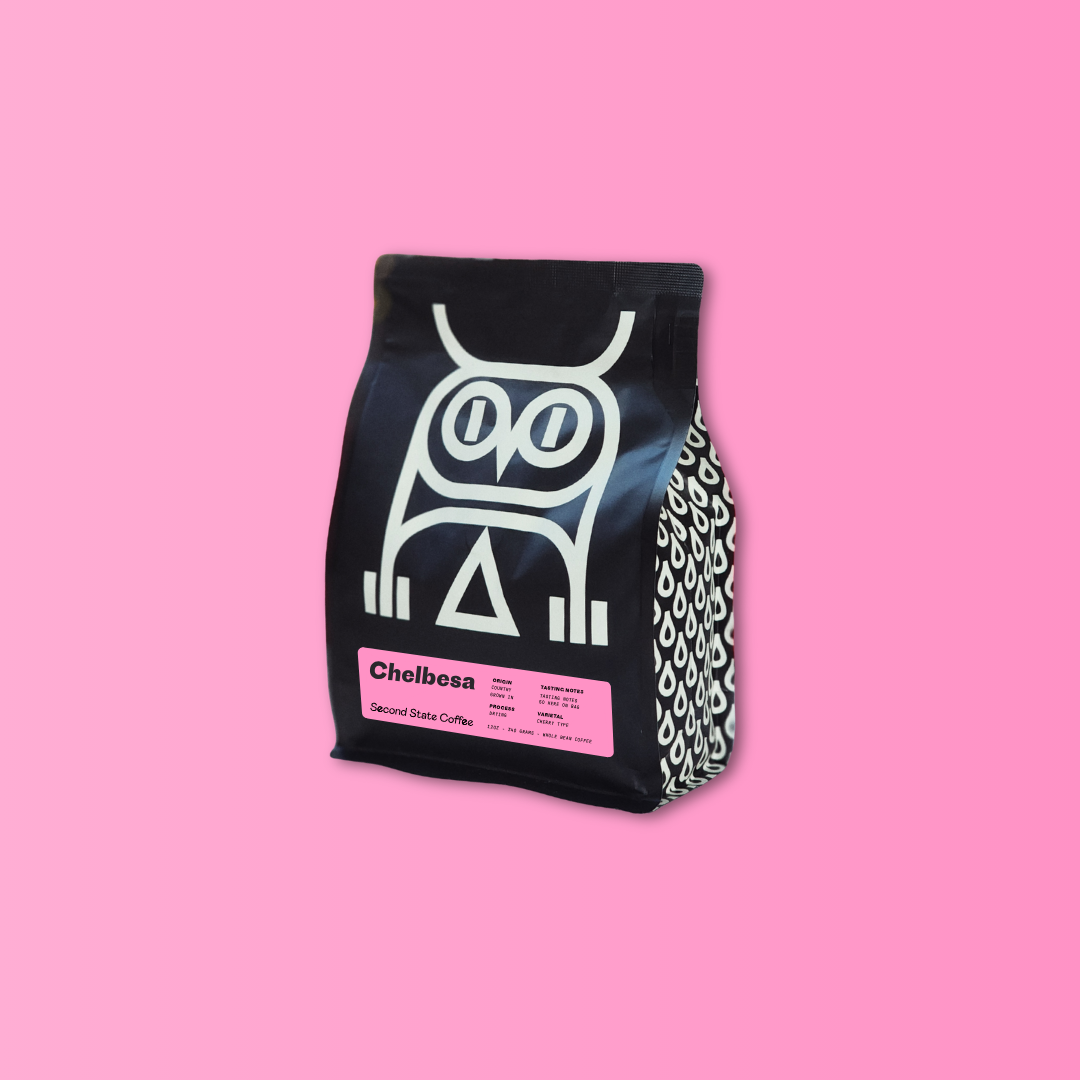
  • Ethiopia Chelbesa

    Size
    She's back!

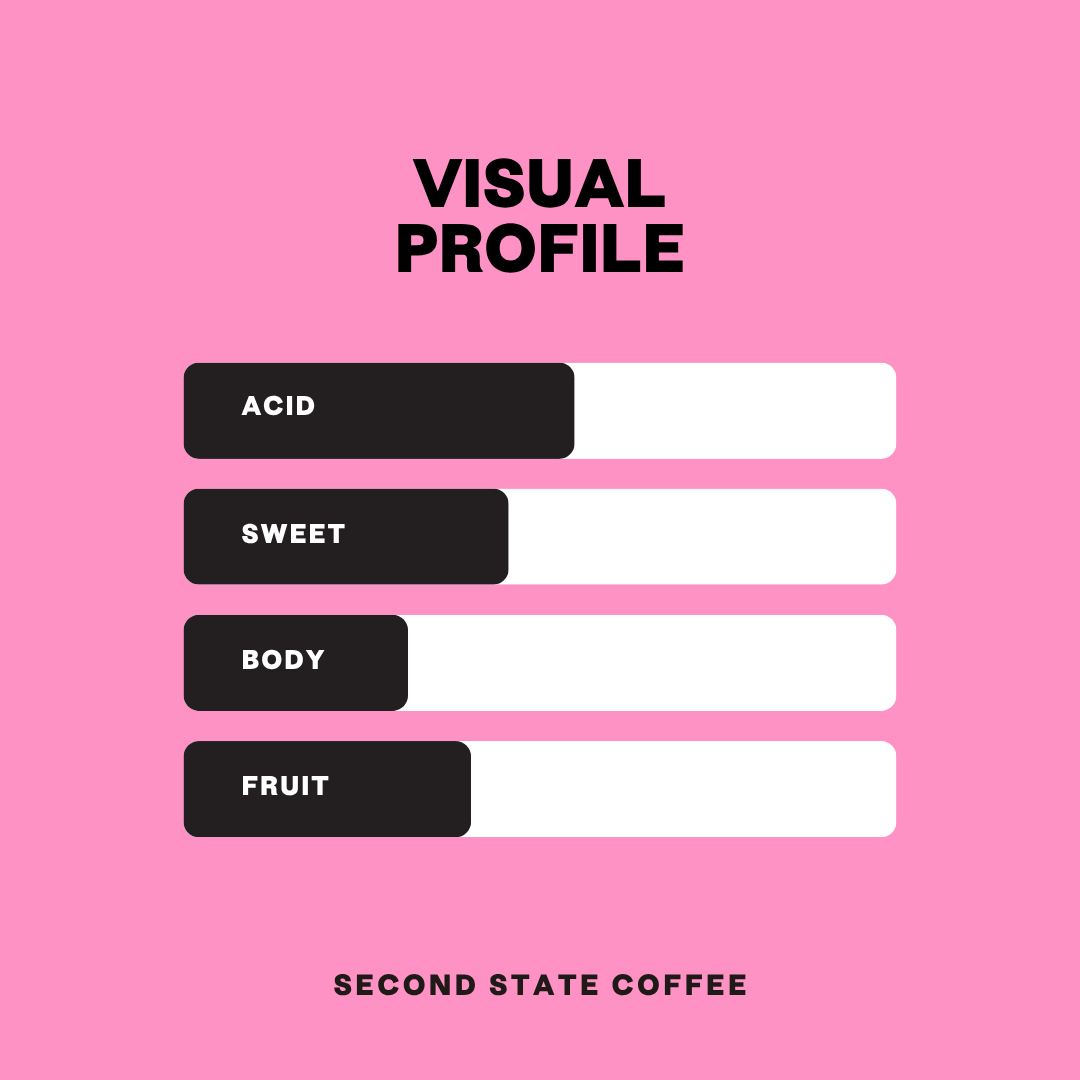
    A stunning washed Ethiopia from the famed Chelbesa Washing Station in Gedeb. This roast showcases the finesse of high-elevation grown specialty coffee and the careful work of hundreds of smallholder producers, where cherries are fully washed and dried on raised beds to preserve the coffee’s floral and citrus character. Expect clean layers of black tea, jasmine, blood orange with a delicate acidity, vibrant clarity, and a silky texture. 

    Brew it best with Third Wave Water

    For more fun >> Check our song pairing below or follow us on Spotify  to enjoy tracks curated for all your favorite coffees

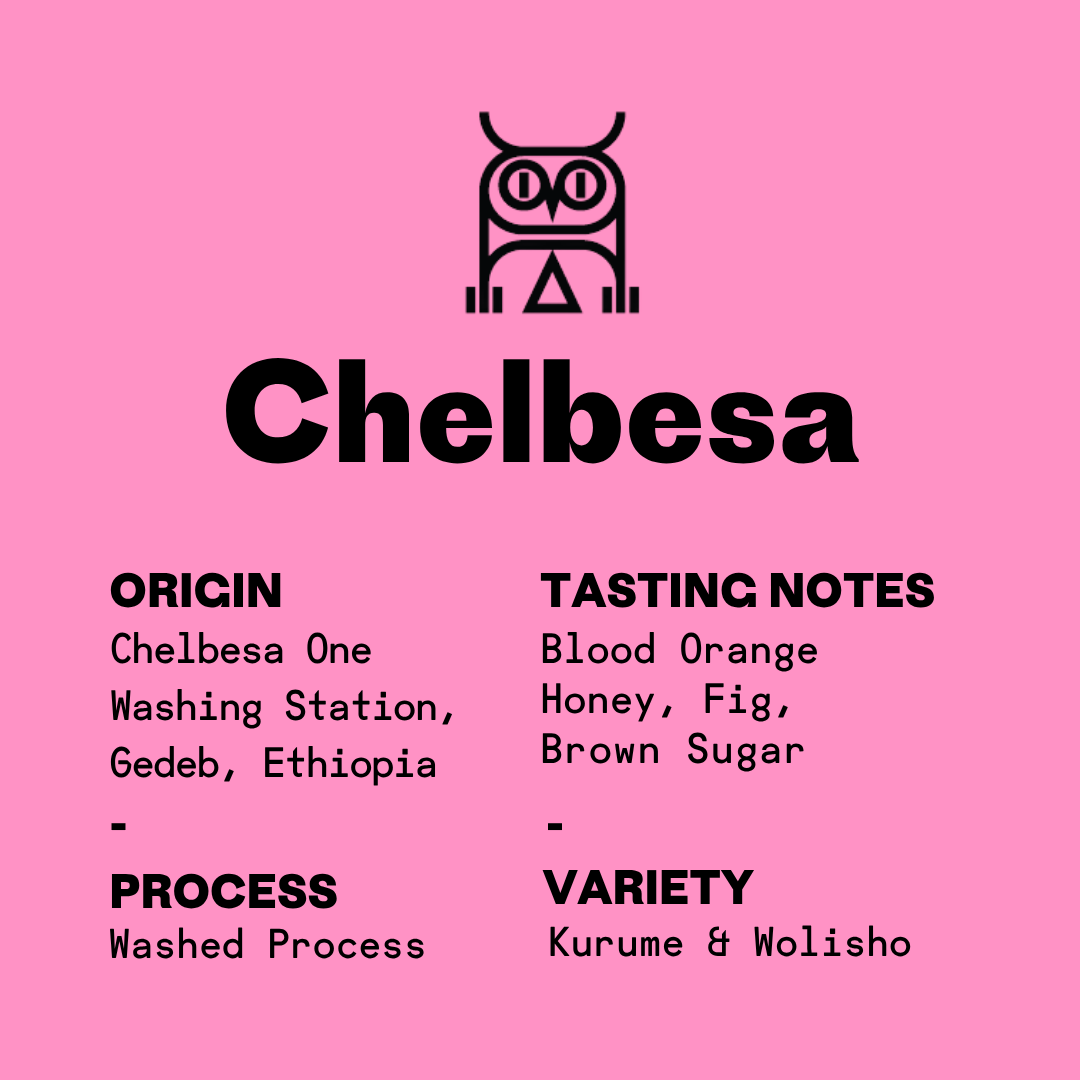
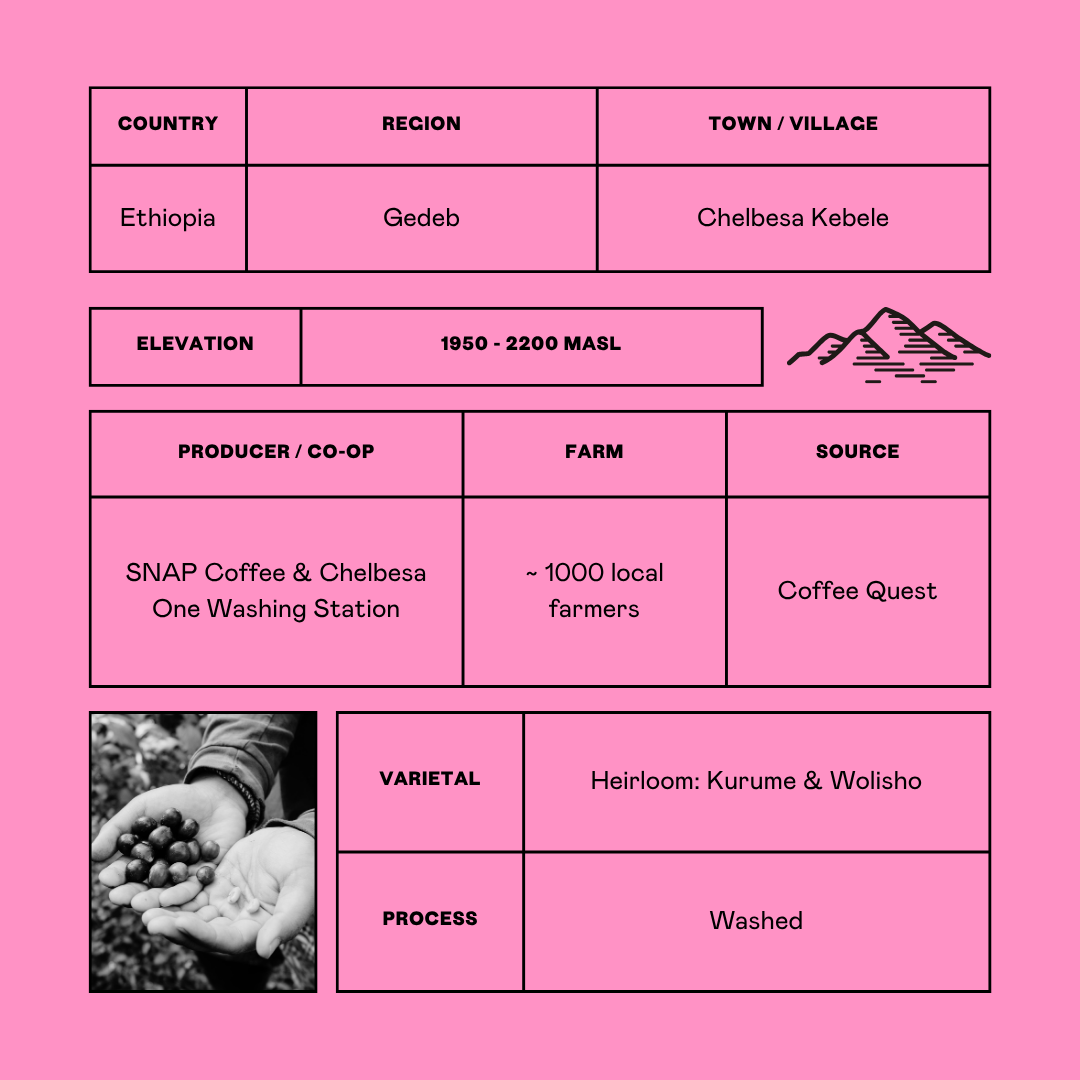
    Origin: Chelbesa, Gedeb, Gedeo Zone, Ethiopia
    Process: Washed
    Varietal: Kurume & Wolisho
    Imported by: Coffee Quest

    About SNAP Coffee:

    This coffee lot is brought to you by SNAP Coffee, a producing partner of Coffee Quest, which operates 7 washing stations in key coffee-producing areas like Sidama, Yirgacheffe, and the Guji Zone. SNAP focuses its operation on three fundamental pillars – Consistency, Education, and Sustainability. It is within their purpose to improve the livelihood of supporting farmers, and last year their team of agronomists trained more than 6,000 farmers in land and nursery management, and climate-smart agriculture through crop diversification and intercropping.

    Chelbesa One Washing Station:

    The approximately 1,000 farmers that deliver cherry to this washing station, come from the region and have between 2 and 3 hectares of land. This lot consists of the Ethiopian Heirloom varieties Korume and Wolisho.

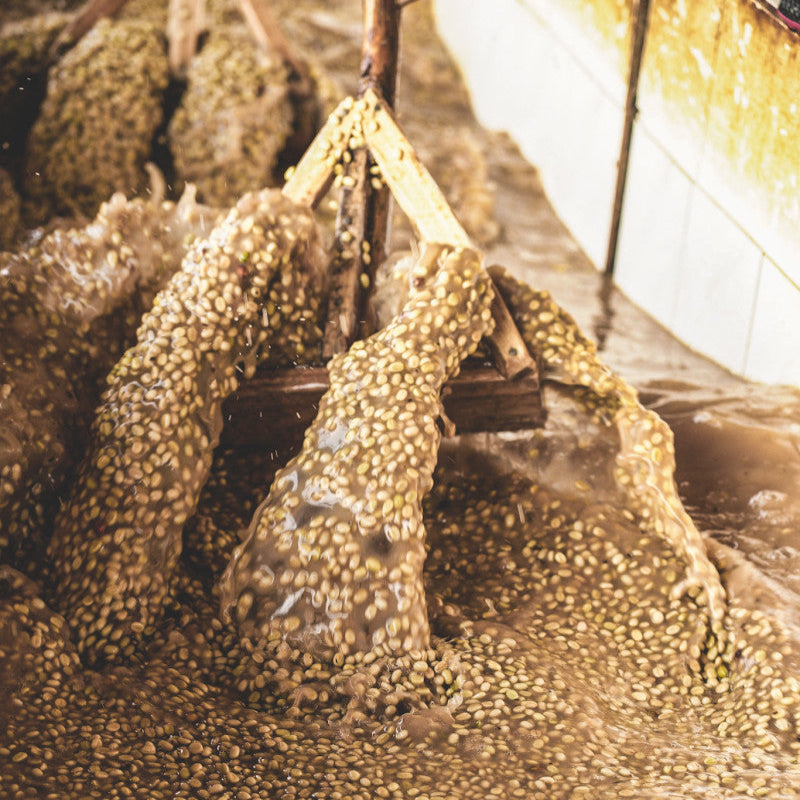
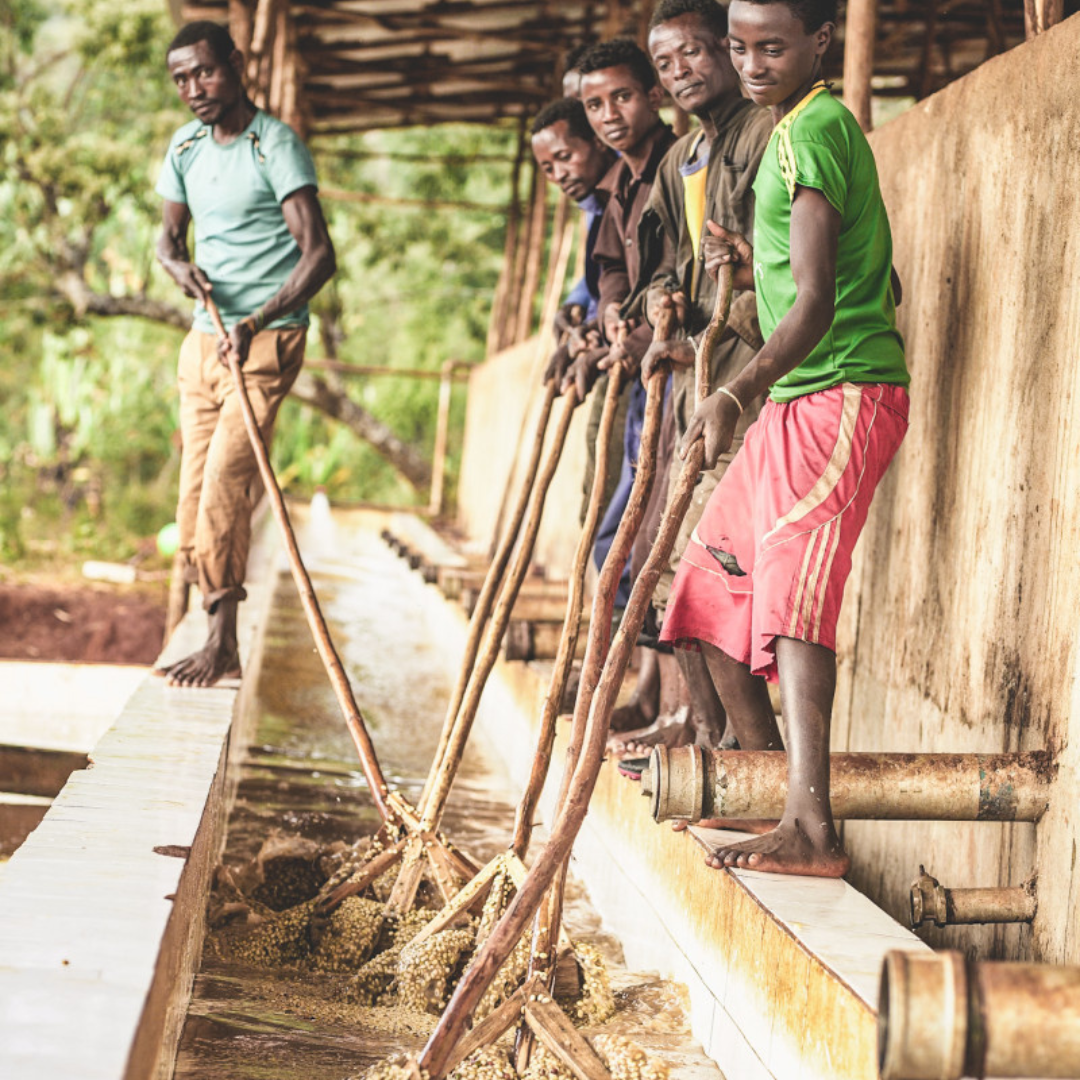
    Once the cherries arrive at the Chelbesa One Washing Station, they are placed in water for sorting. The cherries are then de-pulped and left to dry ferment in tanks for 2-3 days, to be later washed and placed to dry on raised beds. To ensure an even drying, the parchment is constantly moved each day, taking 7-10 days, depending on the weather, until reaching a desired moisture content.

    blood orange, honey, fig, brown sugar