Formerly a wholesale-only exclusive, we are now releasing our Prizefighter blend - a more developed roast of our specialty grade Guatemala + Brazil + Ethiopia.
Overall Impression: Nutty, Classic, Lightly Floral, Medium Sweet
Meet the producer
Multiple Smallholder Farmers
Guatemala + Brazil + Ethiopia
Minas Gerais Brazil
This coffee comes to us from Cereza Coffee - an independent green coffee importer that specifically partners with the Minasul cooperative to source high-quality specialty coffee lots. Rather than treating Brazilian coffee as a bulk commodity, Cereza Coffee uses this origin to challenge the historic stigma of lower-quality commercial coffee by focusing on traceability, consistency, and premium flavor profiles.
Minasul is a highly respected cooperative based in Varginha, Minas Gerais. This partnership bypasses massive legacy trade houses to ensure local integration and stable income for the actual growers
Ixlama
Ixlama is a shade-grown coffee, near the Guatemalan - Mexico border, that is harvested and brought to mill at Caserio Teogal Aldea San Martin, located near the town of Todos Santos. It comes to us via Balzac Brothers, a local importer, who has forged a 50 year partnership with the receiving mill who processes this coffee for the 120 family producers of San Pedro Necta and La Libertad. The mill is known for their meticulously processed coffees preserving cup quality, and consistency year over year.
Keramo
Keramo Washing Station belongs to the award-winning Daye Bensa network in Sidama, Ethiopia. Roughly 1,000 farmers contribute ripe coffee cherry to the washing station.
Farm/Co-OP
Multiple
Elevation
1100 - 2300 MASL
Variety
Bourbon, Catuai, Caturra, JARC 74112
Process
Washed + Natural
Minas Gerais
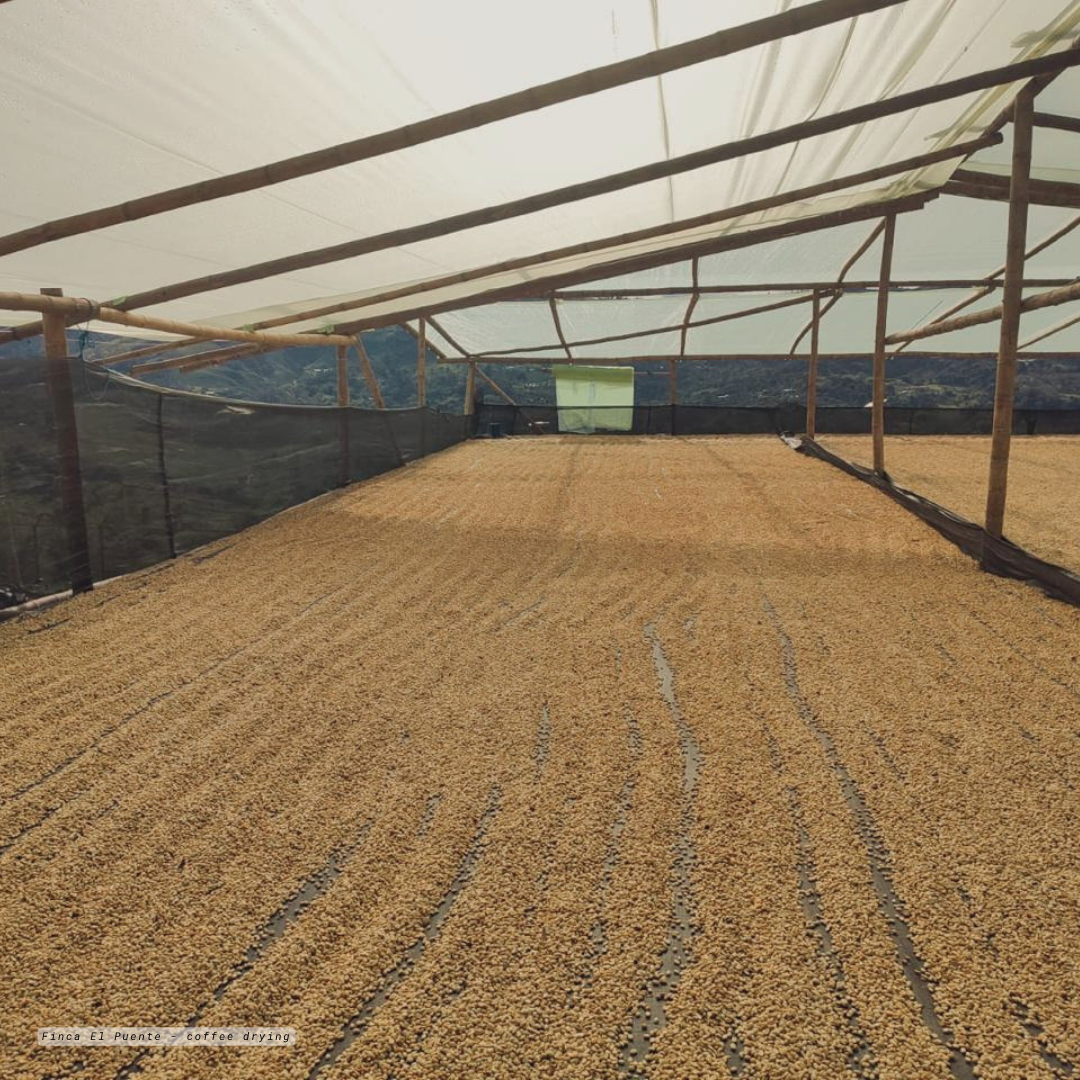
Brazil's climate, particularly in the coffee regions, is well-suited for coffee production and drying. The country's abundant sunlight and dry weather make it a great place to sun-dry coffee with consistent results. The cherries are dried in fruit over the course of approximately 2 weeks. This portion of the coffee blend contributes body and a nutty, chocolatey backbone.
Ixlama
At mill, the coffees are sun-dried on cement patios for four days before being placed in "guardiolas," a type of coffee dryer patented by a Guatemalan resident in 1872. The coffees are then computer-sorted by color and separated by density mechanically, resulting in a superior, clean, and bright cup that adds complexity and sweetness to our final blend.
Keramo
The beans are wet fermented for between 36 and 72 hours, and then dried on African beds for about 12 to 15 days. Washed generally means that the coffee is dried without fruit or skin contact. This contributes vibrancy and delicate florals to the blend.
Experience
Tips for Brewing
Due to the variation of bean density in the blend (extremely dense Ethiopia and Guatemala and low density Brazil), we do not recommend brewing this coffee as espresso. The way each of these coffees brews does promote channeling in the puck and the high acid Ethiopia tends to overpower the sweet, nutty character that shines well in batched filter brewing. If you do attempt this coffee as espresso, we highly suggest higher ratio brewing (1:3 - 1:3.5) to balance any acidity.
A great starting point for filter brewing is at a 1:16 ratio, adjusting final recipe based on strength preferences. If you're looking for a specific brew method, please don't hesitate to reach out.